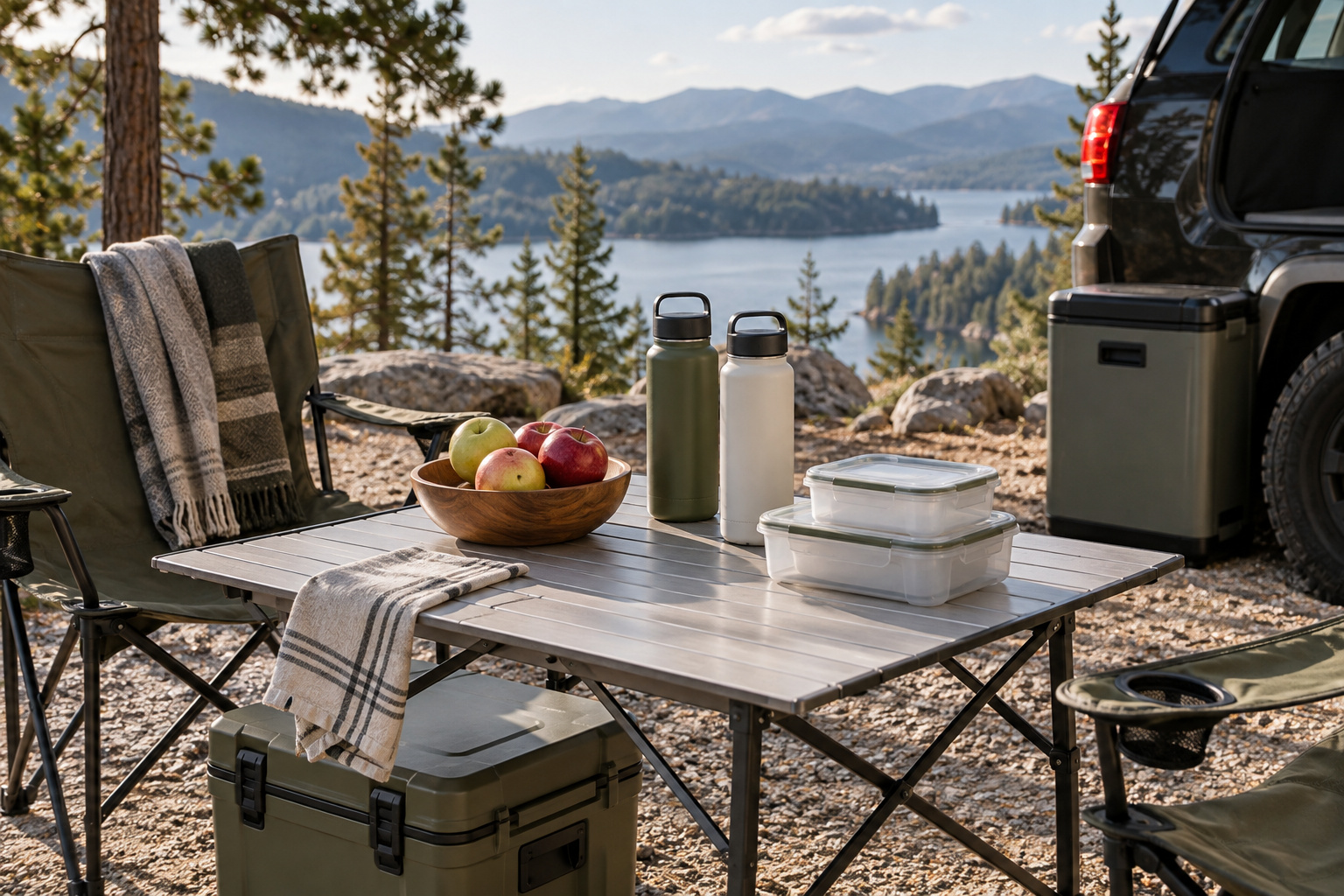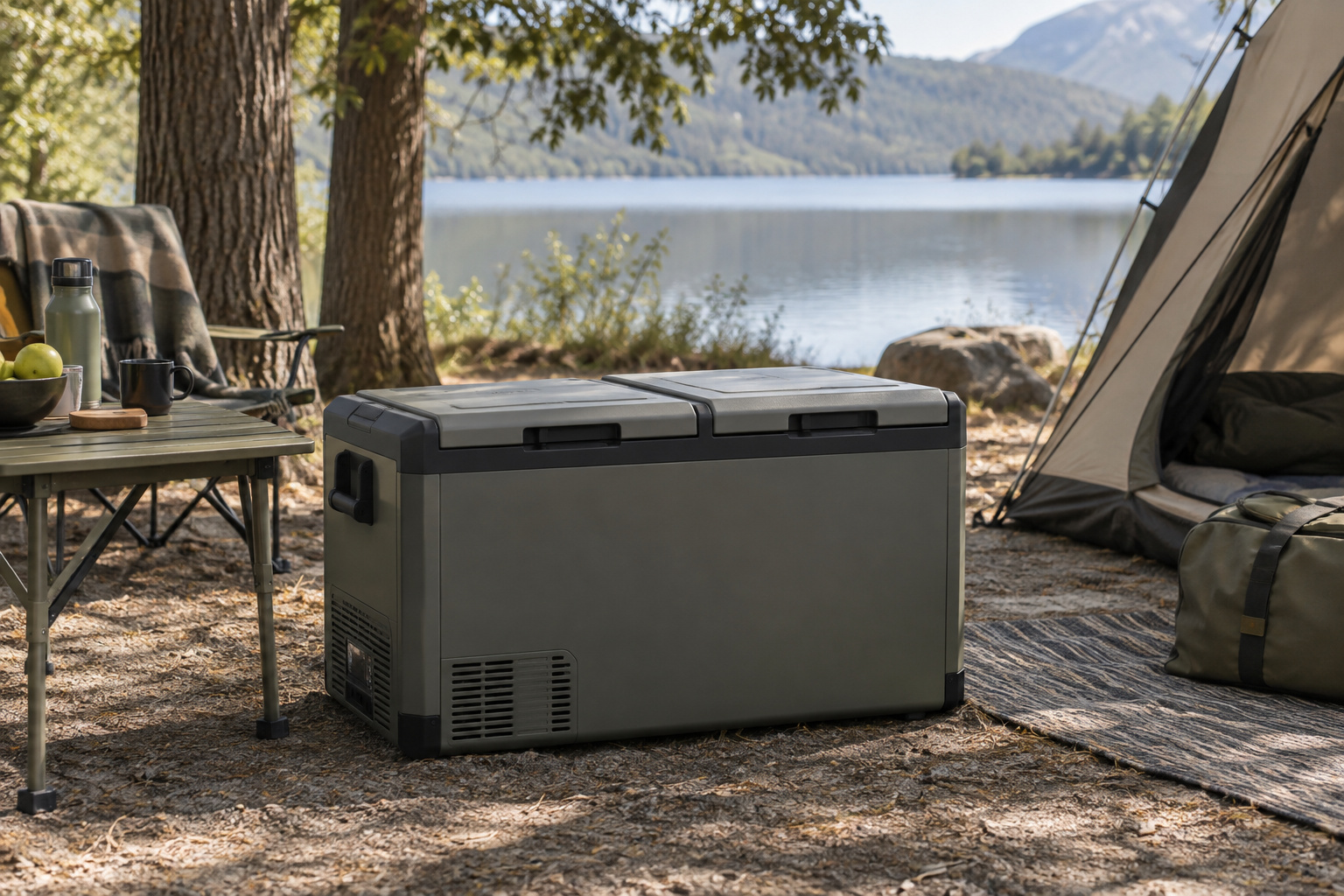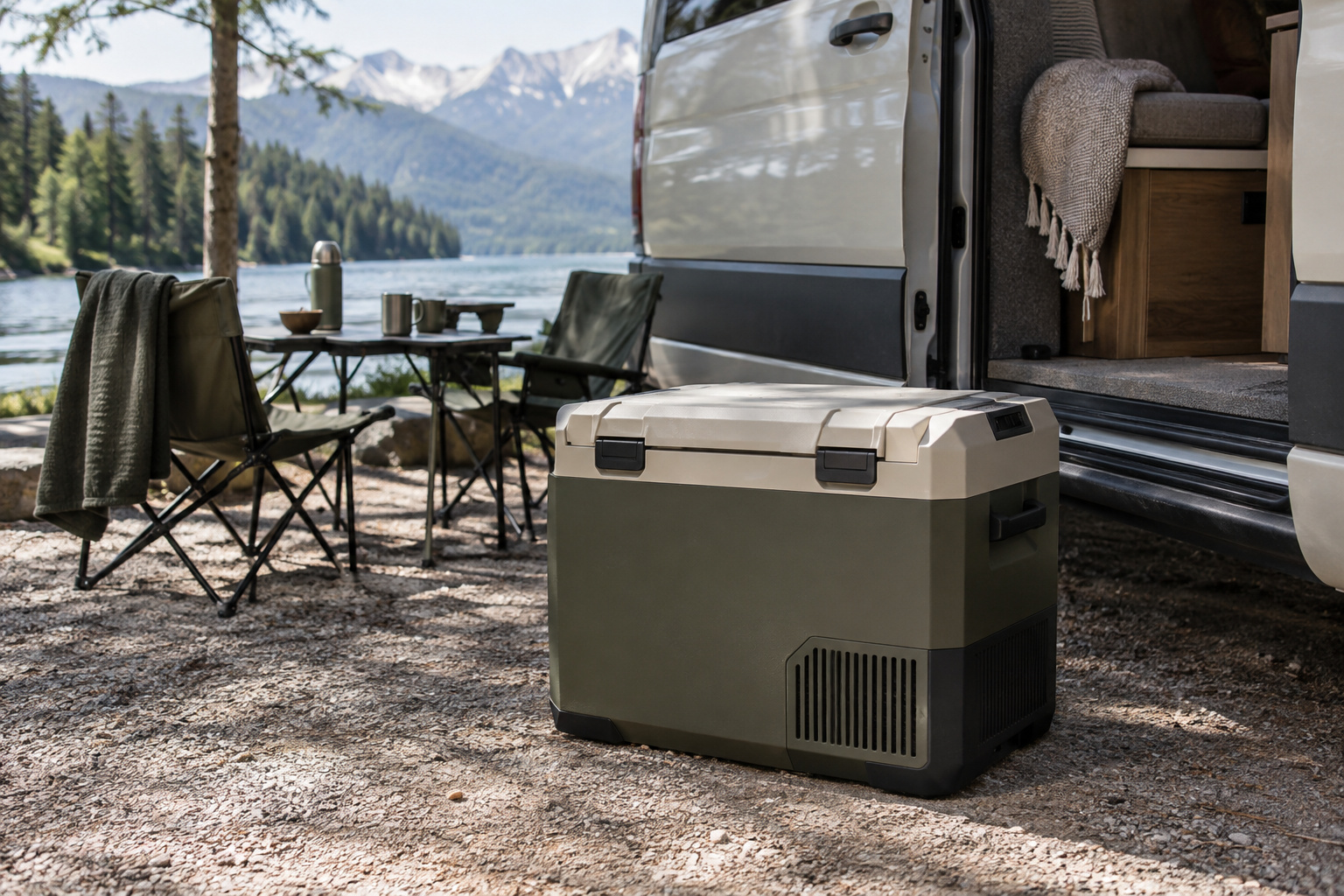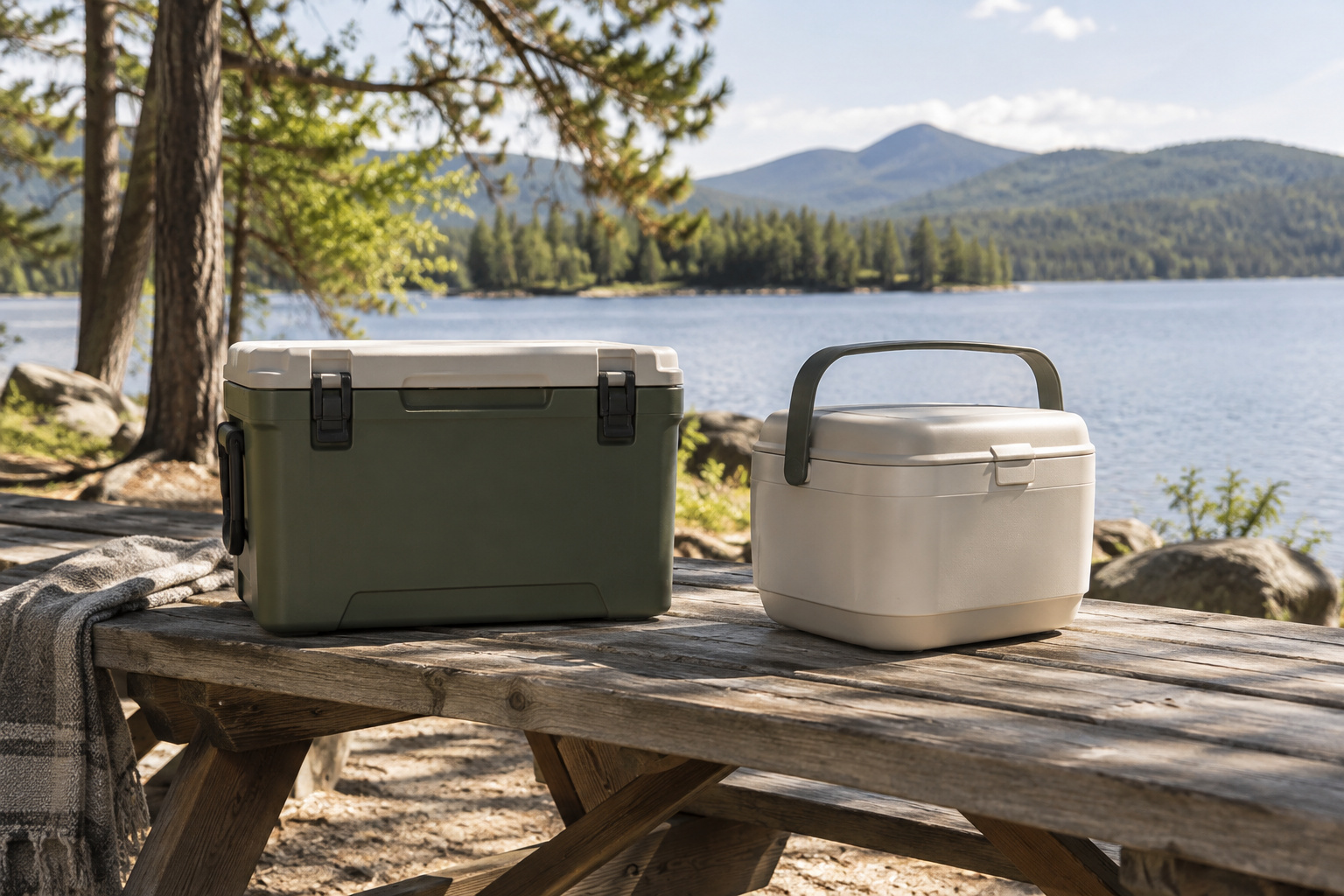
Both types can connect to a vehicle electrical supply, but that shared connection does not mean they cool in the same way. The important distinction is how each system removes heat and how its documented operating limits relate to your journey. Start with the temperature requirement of the contents, then choose a technology whose exact documentation supports that job.
Understand the two mechanisms
Dometic's technology guide describes thermoelectric systems as using a Peltier element with heat exchangers and fans. It describes compressor systems as circulating a refrigerant that absorbs heat inside and releases it outside. You do not need to calculate the refrigeration cycle to buy sensibly. You do need to distinguish a temperature reduction relative to the surroundings from a claim about a controlled compartment temperature.
A thermoelectric listing may emphasize a number of degrees below ambient. That is a conditional claim, not an absolute food-storage temperature. The surrounding temperature may change considerably between a morning departure and an afternoon stop. A compressor model also has operating limits, so the comparison is not unlimited cooling versus limited cooling. Both require the exact manufacturer documentation and a suitable installation.
Read temperature language carefully
Suppose a hypothetical cooler advertises a reduction of 30 Fahrenheit degrees below surrounding air. At 90°F ambient, simple subtraction gives 60°F. This is only an illustration of how the claim is structured, not a performance forecast for any product. It shows why a cooling-difference number alone cannot establish that perishables remain at an appropriate temperature.
Check units carefully: a temperature difference in Celsius cannot be subtracted directly from a Fahrenheit ambient reading. Avoid building a purchase decision around an optimistic headline. Ask whether the stated figure is a maximum difference, a laboratory condition or an operating range. If the manual does not answer, mark the uncertainty. The food-temperature guide separates appliance controls from the temperature evidence needed for actual food storage.
Compare the trip, not the label
For drinks that are safe at room temperature before opening, convenience and how cool you want them may drive the decision. For raw meat, dairy or prepared meals, dependable refrigerated storage matters much more. Product marketing often places these uses in the same lifestyle image, but their consequences are different. Build your requirements around the most temperature-sensitive food you intend to carry.
For a multiday trip, include the hottest expected parking conditions, the interval without power and the frequency of loading warmer items. Do not assume a shaded campsite describes the temperature inside a closed vehicle. A refrigerator that can freeze under stated conditions still needs adequate ventilation and an appropriate power supply. Follow the buying checklist to keep these questions together.
Avoid simplistic energy comparisons
A nameplate power input is not the same as energy consumed over a day. A compressor may cycle on and off; an instantaneous observation does not characterize the whole trip. Claims from different products may use different ambient temperatures, contents and settings. Unless the test conditions are comparable, two advertised energy numbers do not support a fair efficiency ranking.
If battery operation matters, request model-specific consumption documentation with its conditions or measure your own setup safely according to its instructions. Record ambient temperature, setting and loading pattern alongside any observation. Do not generalize a result from one refrigerator size or generation to another. We therefore do not assign efficiency scores from Amazon titles, nor turn generic technology descriptions into a promised number of hours of operation.
Source: Dometic CFX3 operating manual.
Check controls and practical ownership
Look at the control panel instructions before choosing. Determine what the display reports, how temperature is adjusted and whether a warming mode exists. If a device offers heating as well as cooling, understand the mode indication and how to prevent an accidental setting change. Check the manual for what happens after a power interruption; do not assume every unit restores the same state.
The same purchase should account for cleaning, carrying and storage. Fans and exterior vents need accessible space, while seals and containers need a practical cleaning routine. Find the manufacturer's maintenance section, not just its marketing page. A removable divider does not automatically create two independently controlled zones. Our dual-zone guide explains the difference between organizing a box and controlling separate temperatures.
Source: Dometic CFX3 operating manual.
Turn the comparison into a decision
Write down the proposed product, technology, documented operating range and approved supply. Add the temperature your contents require and the expected conditions. Any gap is a question for the manufacturer, not an invitation to assume the best. This short evidence table is more useful than declaring one technology universally better for everyone.
Choose around a verified requirement and a realistic handling routine. Keep the food-safety plan separate from the purchase decision: use appropriate thermometers, storage times and an interruption plan regardless of technology. Our catalog organizes exact listings and seller features, while our methodology explains the absence of numeric scores. Neither an affiliate link nor a favorable category description proves a particular cooler will protect your food in your vehicle.